Recent Causes
Charity Management Degree
15% Raised of $10,000

 Daniel Richie
Climate change poses a growing threat to Liberia’s rural communities, where erratic rainfall, soil degradation, and shifting seasons are undermining food security and livelihoods. Smallholder farmers, especially women, youth, and persons with disabilities, face mounting challenges in adapting to these changes, yet remain largely excluded from climate policy dialogue and decision-making. Global funding cuts have further weakened local resilience, leaving communities with limited access to climate education and support.
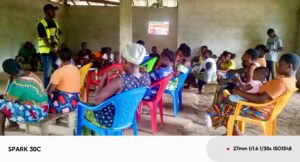
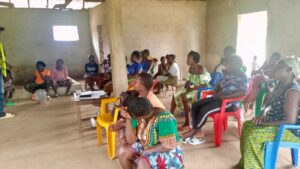
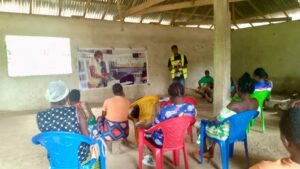
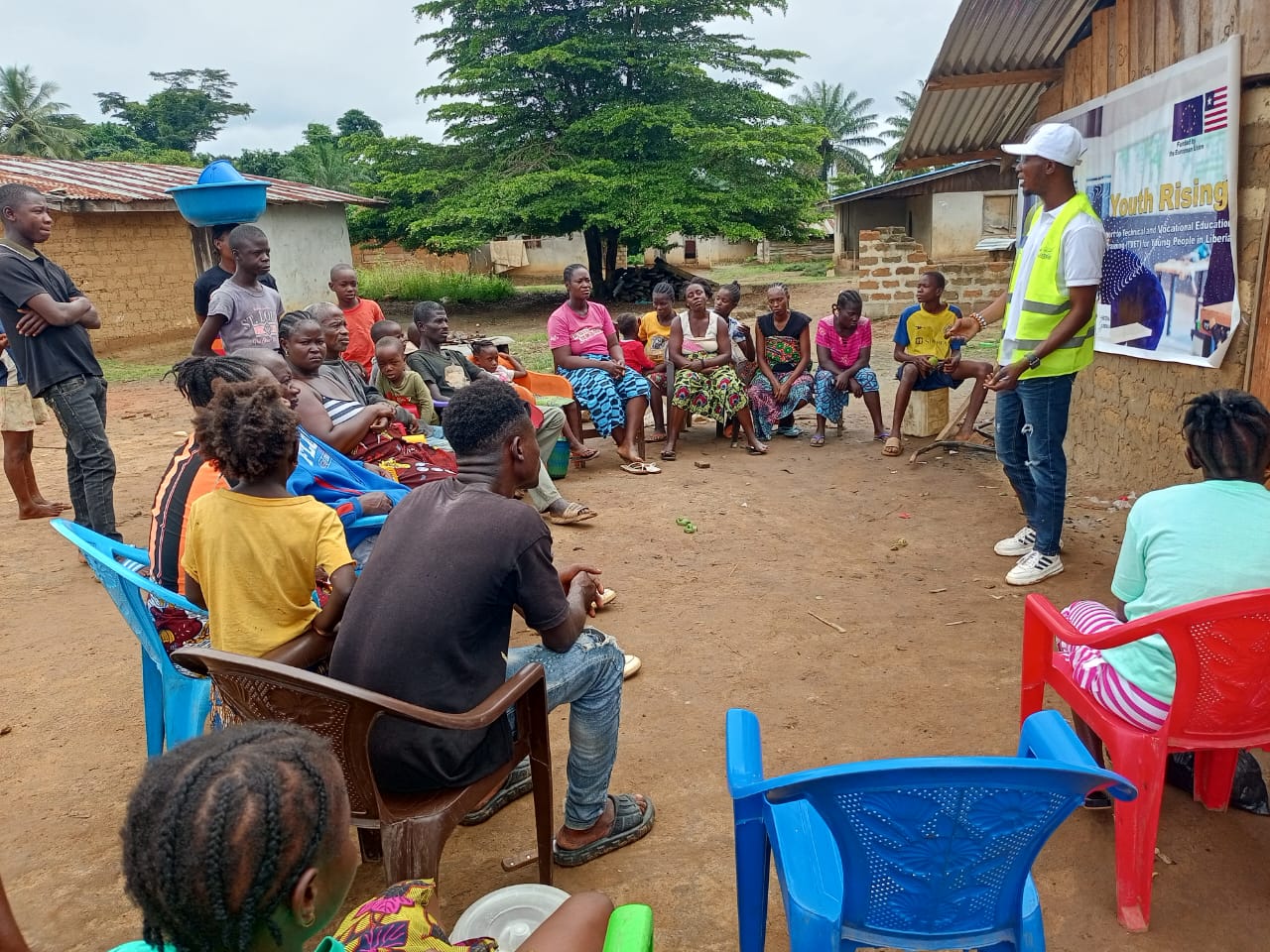
In response, SCIDA has launched the Climate Justice and Accountability Project (CJAP) in Nimba County, a grassroots initiative aimed at empowering vulnerable populations to lead climate advocacy and adaptation efforts. With minimal external support, CJAP provides training for young climate justice advocates and equips smallholder farmers with practical knowledge and skills in climate adaptation and mitigation. Through community-based awareness and capacity-building sessions, the project fosters inclusive dialogue and strengthens local agency in climate governance.
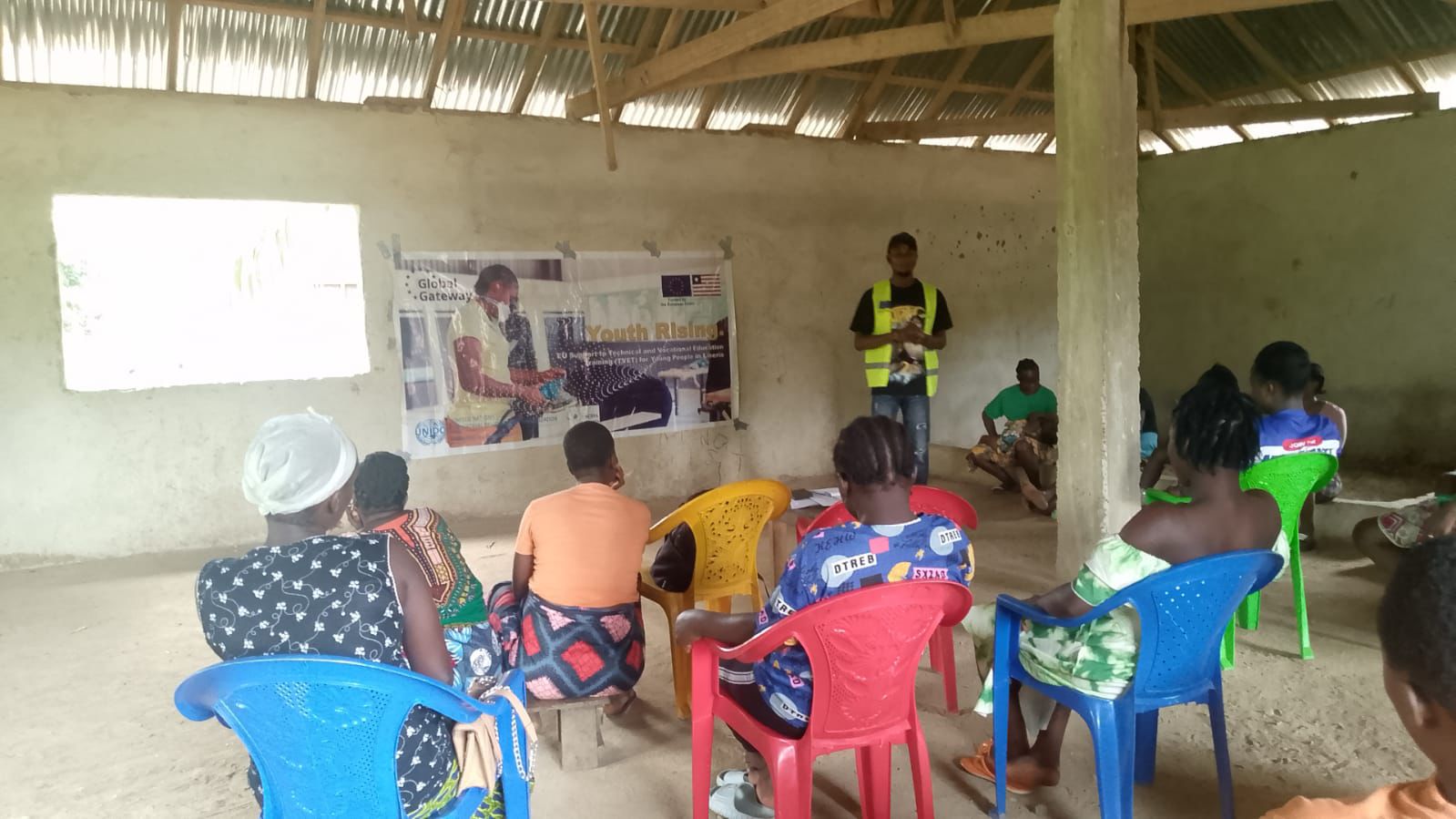
On November 7, 2025, CJAP held a knowledge-sharing dialogue in Kpain Town, Meinpea-Mahn District, engaging 65 rural women smallholder farmers and youth in discussions on climate risks, sustainable farming practices, and rights-based advocacy. This event marked a critical step in amplifying community voices and building solidarity across generations.
Currently active in 16 communities across Meinpea-Mahn, Kparblee, Twah River, Buu-Yao, and Doe Districts, CJAP is targeting 3,500 individuals, including rural women, youth, farmers, persons with disabilities, and local authorities. The project reflects SCIDA’s commitment to participatory climate justice, ensuring that those most affected by environmental change are equipped to shape the solutions.
 Copyright © 2024, All Rights Reserved. Designed by Asare Kesse
Leave A Comment